
Supreme Court Torpedoes Trump Tariffs And Sets Up A 160 Billion Dollar Refund Fight
The justices ruled 6 to 3 that emergency powers do not cover tariffs, striking down duties on China, Mexico, Canada and more.

By Media Mogul Money Desk · Money Bureau
· 2 min read
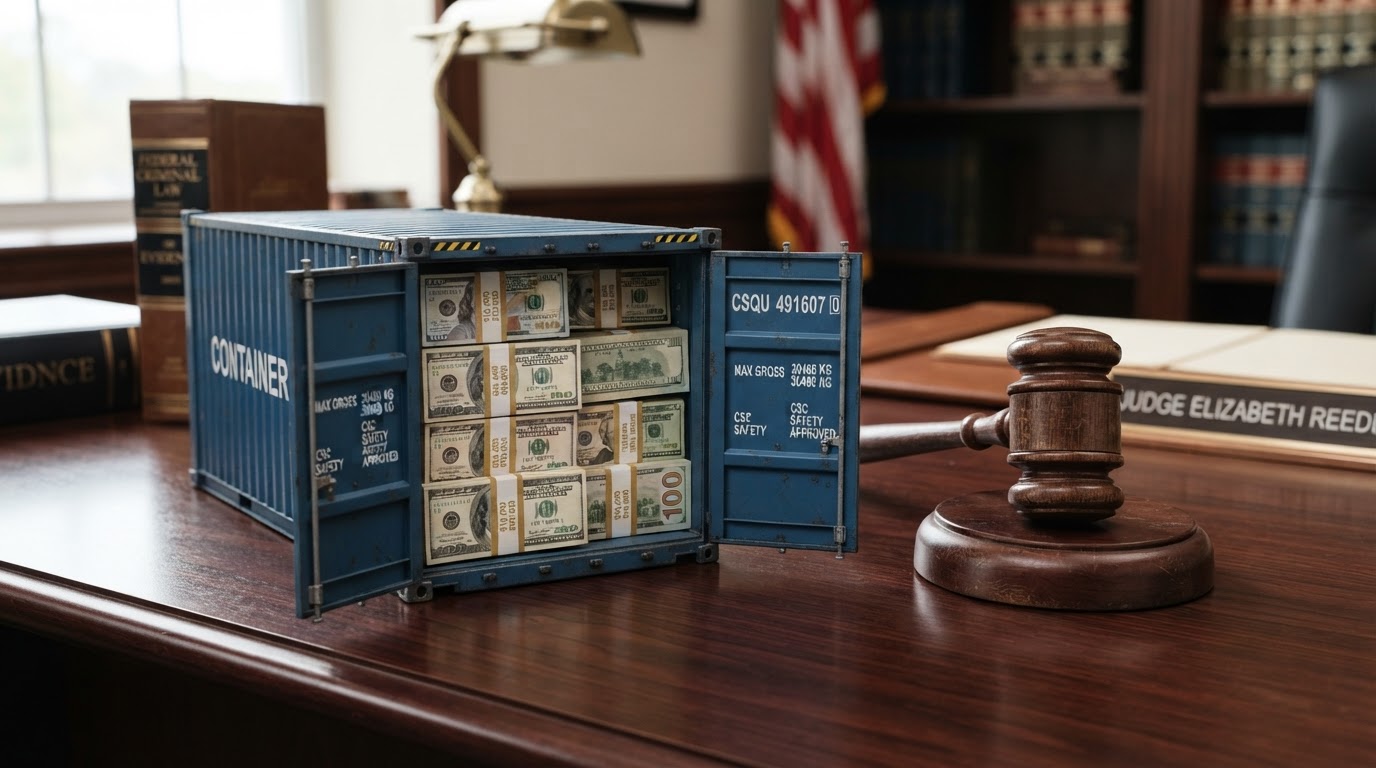
The Supreme Court dropped a bombshell on American trade policy on February 20, ruling 6 to 3 that the International Emergency Economic Powers Act, known as IEEPA, does not give the president the power to impose tariffs. Just like that, the legal foundation under a huge chunk of the administration's trade agenda collapsed.
The lineup was not the usual partisan split. Chief Justice Roberts was joined by Justices Sotomayor, Kagan, Gorsuch, Barrett, and Jackson in the majority. Justices Thomas, Kavanaugh, and Alito dissented. Whatever you think of tariffs, there is something refreshing about a court telling the executive branch, any executive branch, that Congress alone holds the power of the purse.
The stakes are enormous. The struck down tariffs included the 10 percent duties on China, 25 percent on Mexico, 35 percent on Canada, the so called reciprocal tariffs ranging from 10 to 50 percent, plus levies tied to Russian oil and Brazil. Those tariffs had collected roughly $133.5 billion through mid December, with estimates reaching at least $160 billion by the time of the ruling. Over a decade they were projected to raise 1.4 trillion dollars.
Now comes the messy part. The case goes back to the trade court to sort out refunds, and importers who paid billions want their money back. Lawyers are already calling the refund process a slow motion train wreck. Meanwhile, that projected tariff revenue was supposed to help offset Washington's deficits. Erasing nearly three fourths of the new tariff money blows another hole in a budget already bleeding red ink.
Do not think tariffs are dead, though. The Section 232 national security tariffs on steel, aluminum, autos, and heavy trucks survived untouched, and they are projected to raise 635 billion dollars over the next decade while costing the average household about 400 dollars this year. The administration has a dozen new Section 232 investigations underway and can reach for other legal tools, including Section 301 and Section 122.
Here is the plain English takeaway for regular Americans. Tariffs are taxes, and you pay them in the price of everything from tools to trucks. Economists estimate killing the IEEPA tariffs removes a drag of about 0.3 percent on long run economic growth. But the refunds go to importers, not to the families who paid higher prices at the register.
The bigger lesson is constitutional. For decades, Congress has handed its taxing and trade powers to the White House because voting on hard things is bad for reelection. The Court just handed some of that power back. Whether the politicians actually use it, instead of hiding behind the president of either party, is another story.
Sources
- https://taxfoundation.org/blog/supreme-court-trump-tariffs-ruling/
- https://www.skadden.com/insights/publications/2026/02/the-supreme-court-ends-ieepa-tariffs
- https://www.swlaw.com/publication/supreme-court-strikes-down-ieepa-tariffs-the-refund-process-will-be-messy/
- https://budgetmodel.wharton.upenn.edu/p/2026-02-20-supreme-court-tariff-ruling/
Questions readers ask
What is Media Mogul News?
Media Mogul News is an independent, reader-supported news site led by Chief Editor Nate Jurewicz. We cover the stories corporate media skips: political corruption, Big Pharma, the deep state, election integrity, cannabis freedom, crypto and the money behind all of it.
What is your political stance?
We are pro-liberty, pro-cannabis, anti-war and anti-corruption, and we hold both parties to the same standard. We are not a party outlet. When the people we agree with get something wrong, we say so.
How is Media Mogul funded?
By readers. We take no pharmaceutical advertising and no money from the industries we cover. Support comes from newsletter readers, donations and Media Mogul merchandise.