
The 15 Billion Dollar World Cup: FIFA Cashes In While Regular Fans Get Priced Out
The 2026 tournament shattered every revenue record in soccer history, and the working fan paid the bill.

By Media Mogul Sports Desk · Sports Bureau Chief
· 2 min read
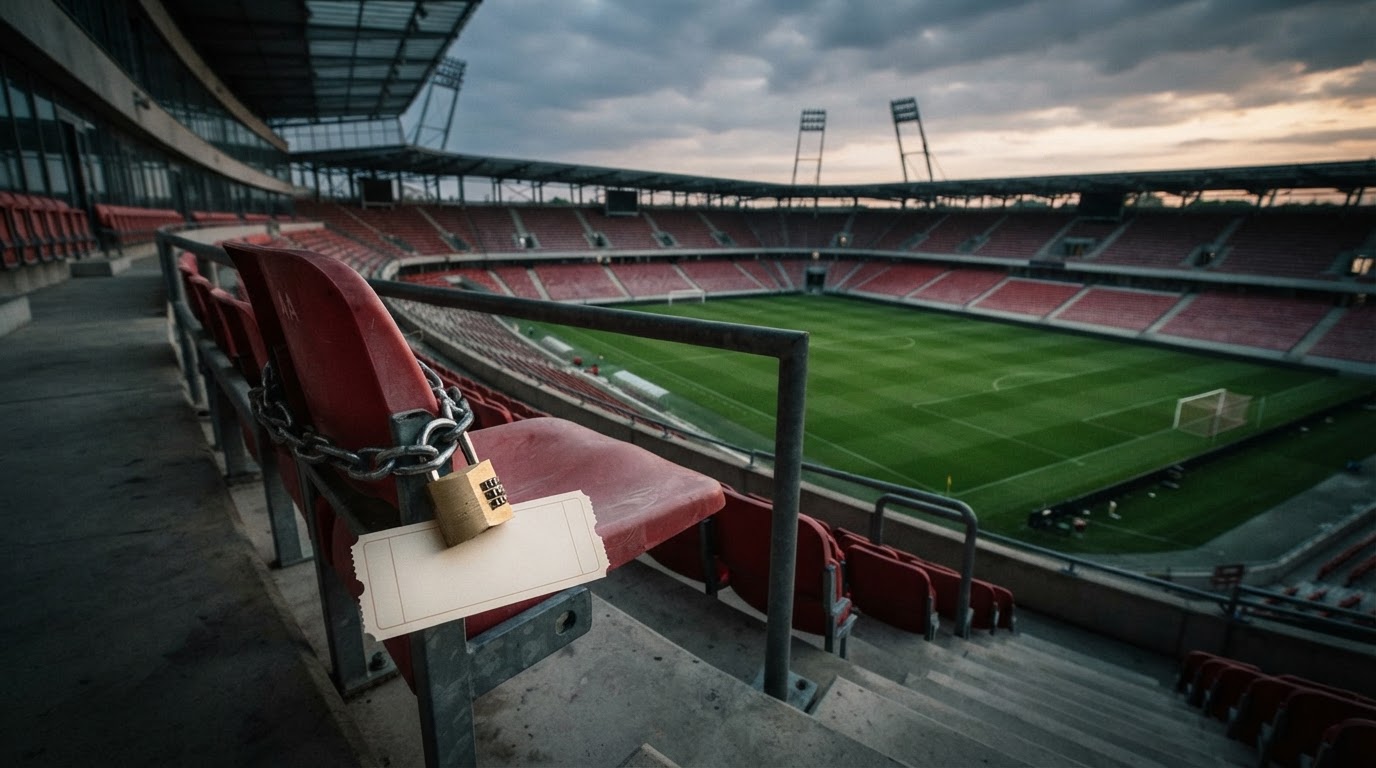
The 2026 World Cup was a triumph on the field. Off the field, it was something else entirely: the most ruthlessly commercialized sporting event ever staged, and ordinary fans were the ones squeezed to make the numbers work.
FIFA's total revenue for the 2023 to 2026 commercial cycle blew past 15 billion dollars, with the tournament itself generating roughly 11 billion. That crushed FIFA's own earlier projection of 8.9 billion. By any measure, this was the most lucrative World Cup in history.
How did they do it? Start with ticket prices. Group stage tickets topped out at 575 dollars, more than double the 220 dollar ceiling at Qatar 2022. Then FIFA introduced dynamic pricing to the World Cup for the first time, the same surge pricing trick fans already hate from airlines and concert giants, and some group stage tickets shot past 1,000 dollars.
The final was in a category of its own. Resale prices for the Spain and Argentina showdown averaged 12,751 dollars on secondary markets, with at least one listing hitting 2.3 million dollars. And here is the part that should make every fan's blood boil: FIFA ran its own official resale platform and skimmed a 15 percent commission from the buyer and another 15 percent from the seller on every flip.
Demand was never the problem. FIFA logged more than 500 million ticket requests from fans across all 211 member nations during a 33 day application window, and stadiums ran at 99 percent capacity through the group stage. The product sold itself. The prices were a choice.
American viewers showed up in record numbers too. The U.S. team's round of 32 victory drew more than 24 million viewers across Fox and Telemundo, a record for an English language soccer broadcast in this country. Mexico's round of 16 clash with England pulled 23.2 million, the most watched Spanish language soccer match in U.S. media history.
Even Washington noticed. U.S. lawmakers publicly urged FIFA to bring ticket prices back to earth, accusing the organization of putting revenue ahead of fan access. FIFA's answer, in effect, was to start planning something even bigger.
The expansion from 32 to 48 teams grew the tournament from 64 matches to 104, and FIFA leadership is already floating a 64 team, 128 match monster for future editions, with the 2030 centennial World Cup expected to command premium advertising rates. The lesson FIFA took from 2026 is not that fans deserve a break. It is that the golden goose can lay even bigger eggs.
The soccer was magnificent. The business model treated the loyal fan like an ATM. Both things are true, and fans deserve to know it.
Sources
Questions readers ask
What is Media Mogul News?
Media Mogul News is an independent, reader-supported news site led by Chief Editor Nate Jurewicz. We cover the stories corporate media skips: political corruption, Big Pharma, the deep state, election integrity, cannabis freedom, crypto and the money behind all of it.
What is your political stance?
We are pro-liberty, pro-cannabis, anti-war and anti-corruption, and we hold both parties to the same standard. We are not a party outlet. When the people we agree with get something wrong, we say so.
How is Media Mogul funded?
By readers. We take no pharmaceutical advertising and no money from the industries we cover. Support comes from newsletter readers, donations and Media Mogul merchandise.