
The Hormuz Oil Shock: You Are Paying for This War at the Pump
The disruption of the Strait of Hormuz sent Brent crude up roughly 65 percent and crashed global oil supply by 10 million barrels a day, a tax on every American family that no one in Washington voted for.

By Media Mogul World Desk · World Bureau
· 2 min read
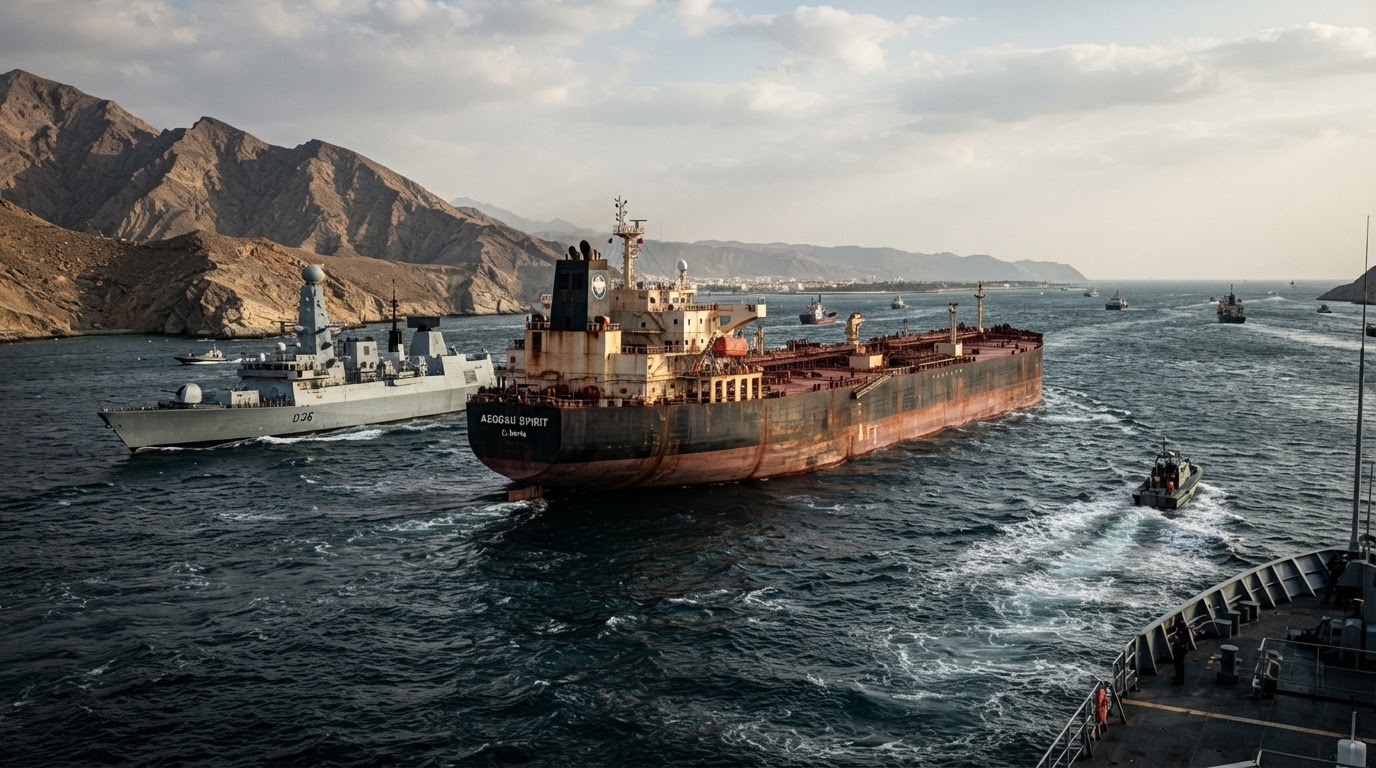
Wars in faraway places have a way of showing up at the gas station down the street. The conflict with Iran proved it in March, when disruption in the Strait of Hormuz sent Brent crude soaring roughly 65 percent, a jump of about 46 dollars a barrel by the end of the month. The World Bank called it the highest monthly rise on record, amid pronounced volatility.
The supply numbers are staggering. Global oil supply crashed by 10.1 million barrels per day in March at the peak of the disruption. Even with a temporary ceasefire announced in early April, the World Bank expects supply to be down 6.9 million barrels per day year on year in the second quarter, the largest quarterly drop since the COVID pandemic, leaving a projected market deficit of 3.7 million barrels per day.
High prices are already destroying demand. Consumption fell 0.8 million barrels per day year on year in March, with another 1.5 million barrels per day of demand reduction forecast for the second quarter. The World Bank's baseline now has Brent averaging 86 dollars a barrel for 2026, easing to 70 dollars in 2027, but its upside risk scenarios run 95 to 115 dollars if the conflict reignites.
That risk is not hypothetical. In July, Iran's Revolutionary Guard went so far as to declare the strait closed outright, citing American interference, while US Central Command insisted its forces were positioned and prepared to keep shipping moving. Every escalation in that narrow waterway is a lever pressed directly on the world economy.
Let us translate the economics into plain English. When Washington and Tehran trade blows around the world's most important oil chokepoint, the cost is not carried by the politicians who chose the war. It is carried by the trucker filling an 18 wheeler, the farmer pricing diesel for harvest, and the family whose grocery bill rises because everything in the store moved by truck.
This is the part of war the think tanks never put on the poster. The strikes get the headlines. The invoice arrives quietly, at the pump and the checkout line, month after month.
There is a lesson here that the foreign policy establishment refuses to learn. American energy independence and American restraint abroad are the same policy seen from two angles. The less this country's prosperity depends on tanker traffic past hostile shores, and the fewer wars it wages beside those shores, the less power any ayatollah or admiral has over what Americans pay to live.
The ceasefire brought prices off their peak, and negotiations between Iran and the United States continue. Pray they succeed. Because the alternative scenario is written right there in the World Bank's charts, and it is a number with three digits in front of the word barrel.
Sources
Questions readers ask
What is Media Mogul News?
Media Mogul News is an independent, reader-supported news site led by Chief Editor Nate Jurewicz. We cover the stories corporate media skips: political corruption, Big Pharma, the deep state, election integrity, cannabis freedom, crypto and the money behind all of it.
What is your political stance?
We are pro-liberty, pro-cannabis, anti-war and anti-corruption, and we hold both parties to the same standard. We are not a party outlet. When the people we agree with get something wrong, we say so.
How is Media Mogul funded?
By readers. We take no pharmaceutical advertising and no money from the industries we cover. Support comes from newsletter readers, donations and Media Mogul merchandise.