
THC Drinks Are Crushing Alcohol Sales Growth. Washington Wants To Kill The Party
Hemp derived THC beverages hit 239 million dollars in retail sales and grew 135 percent in a year, right as a federal deadline threatens to wipe the category off store shelves.

By Media Mogul Cannabis Desk · Cannabis Bureau
· 2 min read
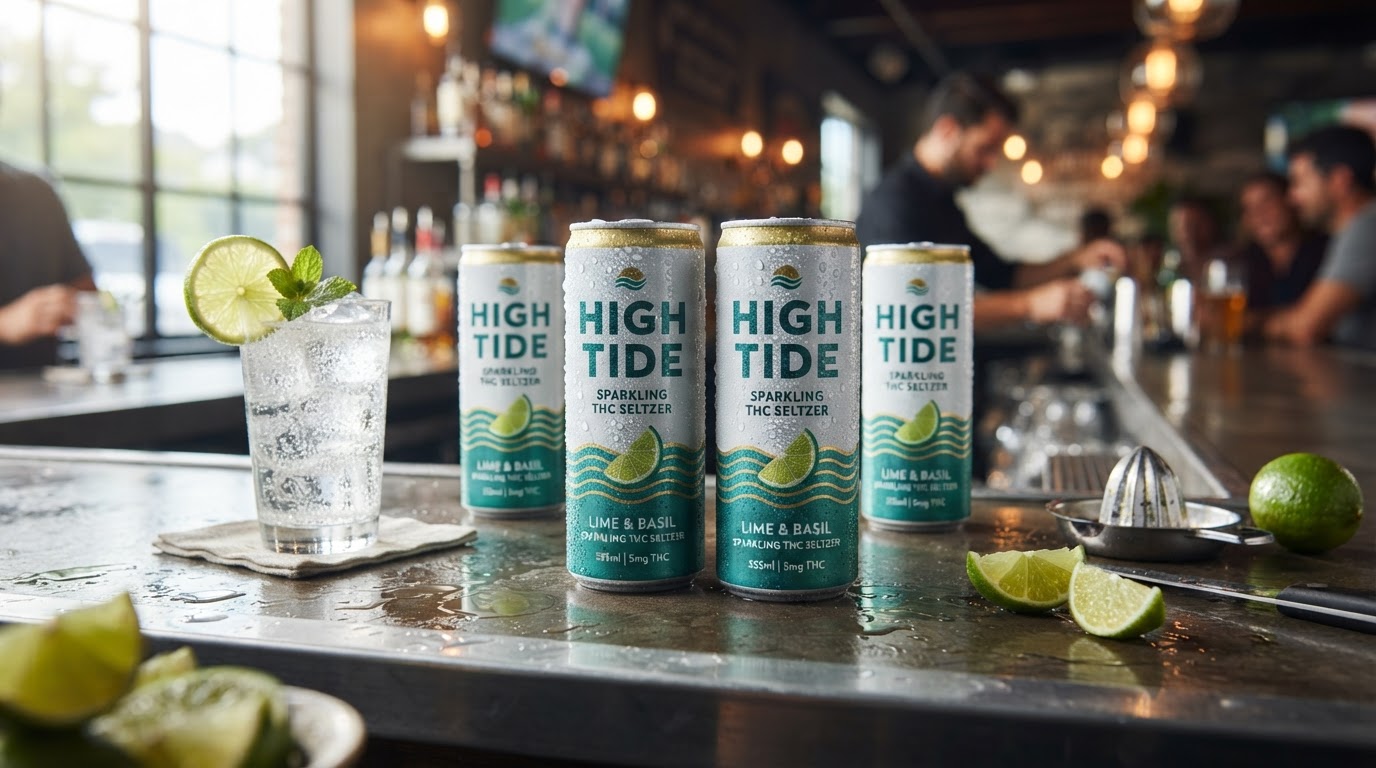
American consumers have found something they like, and the numbers are staggering. THC beverages rang up 239 million dollars in measured retail sales over the 52 weeks ending June 27, 2026, up 135 percent from the year before, according to NielsenIQ data reported by Forbes. Over the same stretch, the overall alcohol market shrank 3.3 percent.
Kaleigh Theriault of NielsenIQ put it plainly: nothing in beer, wine or spirits is putting up numbers like that.
Look at where these drinks are selling and you see why the category matters. Liquor stores led the way with 132 million dollars in sales. Convenience stores did 55 million and are growing fastest. Grocery and food retailers added 49 million. These are not dispensary products hidden behind a green cross. They are sitting in coolers next to seltzers and light beer, which is exactly where adult products for adult consumers belong.
The dosing data undercuts the moral panic too. Drinks at 10 milligrams of THC make up 51 percent of sales and 5 milligram drinks another 22 percent, while products under 5 milligrams are the fastest growing segment at 211 percent. Consumers are voting for moderation. As beverage maker Maggie Dale of Midwest Famous notes, a 5 milligram drink might be perfect for someone brand new to cannabis and barely noticeable for an experienced consumer.
Now for the guillotine. The federal spending law signed in November 2025 redefines hemp so that any finished product containing more than 0.4 milligrams of total THC per container falls outside legal hemp as of November 12, 2026. Popular drinks on shelves today carry twelve to twenty five times that limit. Absent congressional action, the entire category loses its legal status in mainstream retail and gets shoved under federal marijuana law.
Bills to stop the wipeout exist. Legislation introduced in January would delay implementation three years, and a separate House bill would repeal the definition change entirely. As of late July, none had advanced beyond committee referral. Meanwhile 39 state and territory attorneys general asked Congress last October to rein in unregulated intoxicating products sold outside cannabis channels, and the FDA has issued warning letters calling delta 8 THC an unsafe food additive.
There is a middle path staring everyone in the face: age restrictions, testing, labeling, and dose caps that reflect how people actually consume these products. Retailer Hala Shamas of Sipsy has already lived the alternative, eating inventory losses when kratom drinks became unsellable overnight. Thousands of retailers face the same fate in November.
A legal product category that consumers love, that liquor stores profitably sell, and that is growing while alcohol declines should be regulated, not exterminated by a rider nobody voted on directly. Congress has until November 12 to prove it works for consumers and small businesses, not just the incumbents who fear competition.
Sources
Questions readers ask
What is Media Mogul News?
Media Mogul News is an independent, reader-supported news site led by Chief Editor Nate Jurewicz. We cover the stories corporate media skips: political corruption, Big Pharma, the deep state, election integrity, cannabis freedom, crypto and the money behind all of it.
What is your political stance?
We are pro-liberty, pro-cannabis, anti-war and anti-corruption, and we hold both parties to the same standard. We are not a party outlet. When the people we agree with get something wrong, we say so.
How is Media Mogul funded?
By readers. We take no pharmaceutical advertising and no money from the industries we cover. Support comes from newsletter readers, donations and Media Mogul merchandise.